Quick Overview
| Detail | Description |
| Duration | January 5-16, 2025 |
| Location | VinUniversity, Hanoi, Vietnam and Hoan Kiem District (case-study site) |
| Language | English |
| Prerequisites | Basic knowledge of programming, systems modeling, or sustainability (recommended) |
| Partners | VinUniversity – College of Engineering and Computer Science
NYU Tandon School of Engineering |
| Program Format | In-person, group-based, interdisciplinary project-based learning |
Course Description
This course offers international students a deep dive into the applications of digital twin modeling for sustainable urban development. Learners will examine real-life problems such as air pollution, waste management, and urban hazards in Vietnam—one of Southeast Asia’s most rapidly urbanizing nations. By integrating field observations, simulation modeling with GAMA, and entrepreneurial thinking, students will co-design digital solutions to address pressing smart city issues.
Learning Objectives
By the end of the course, students will be able to:
- Understand the role and principles of digital twins in the context of smart cities.
- Identify key sustainability challenges in developing urban environments.
- Apply agent-based modeling to simulate and analyze real-world problems.
- Design and develop digital twin solutions using the GAMA platform.
- Collaborate across disciplines and cultures to deliver group projects.
- Pitch a working prototype or startup concept addressing a real issue.
Key Topics
- Introduction to digital twins and smart cities
- Sustainability and development in Southeast Asia
- Urban data collection through fieldwork
Agent-based modeling fundamentals - GAMA simulation platform
- Scenario-based simulation and intervention testing
- Team-based project ideation and development
- Presentation, pitching, and entrepreneurship workshops
Tools & Technologies
- GAMA Platform – for agent-based and digital twin modeling
- Geographic Information Systems (GIS)
- Basic data collection tools (Excel, Google Forms, GPS logging apps)
- Project management (Miro, Google Workspace, Notion, or Trello)
- Optional prototyping support (Figma, Canva, simulation visualizations)
Target Audience
- Exchange students from NYU – Tandon School of Engineering
- Undergraduate and early graduate students in:
- Urban planning
- Computer science
- Environmental engineering
- Public policy or sustainability studies
- Anyone with an interest in applying digital tools to global development problems
Instructor(s)
- Assoc. Prof. Nguyen Ngoc Doanh, Vin University
- Dr. Huynh Quang Nghi, Can Thơ University
Learning Format
- In-person lectures and workshops at VinUniversity
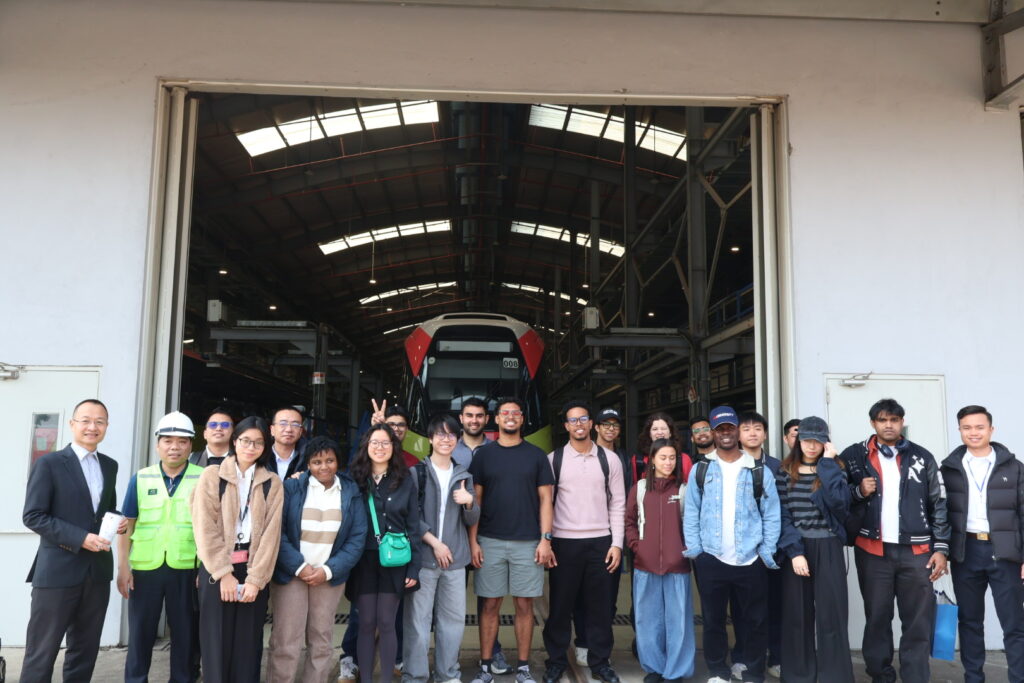
- Field trip to urban sustainability project sites in Hanoi
- Group work and hands-on modeling sessions
- Final pitch competition for projects
- Mentorship throughout Week 2 for technical and startup development
Assessment
- Participation and Attendance: 20%
- Group Digital Twin Project (Model + Report): 60%
- Final Presentation (Prototype or Pitch): 20%
Enrollment Details
- Open to: Accepted exchange students from NYU – Tandon School of Engineering
- Application method: Nomination through NYU and confirmation by VinUniversity International Office
- Program dates:January 5-16, 2025
- Cost: Covered under exchange agreement (includes field trip transportation and training materials)
Contact/Get Involved
- Email: ummisco.sea@gmail.com
- Course Coordinator: Do Minh Phung (phung.dm@vinuni.edu.com)
Tags:
#SmartCities #DigitalTwin #UrbanSustainability #AgentBasedModeling #GAMAPlatform #InterdisciplinaryLearning #NYUExchange #VietnamFieldwork #AppliedSystemsModeling #SustainableDevelopmentGoals #SDGs #SmartTransportation