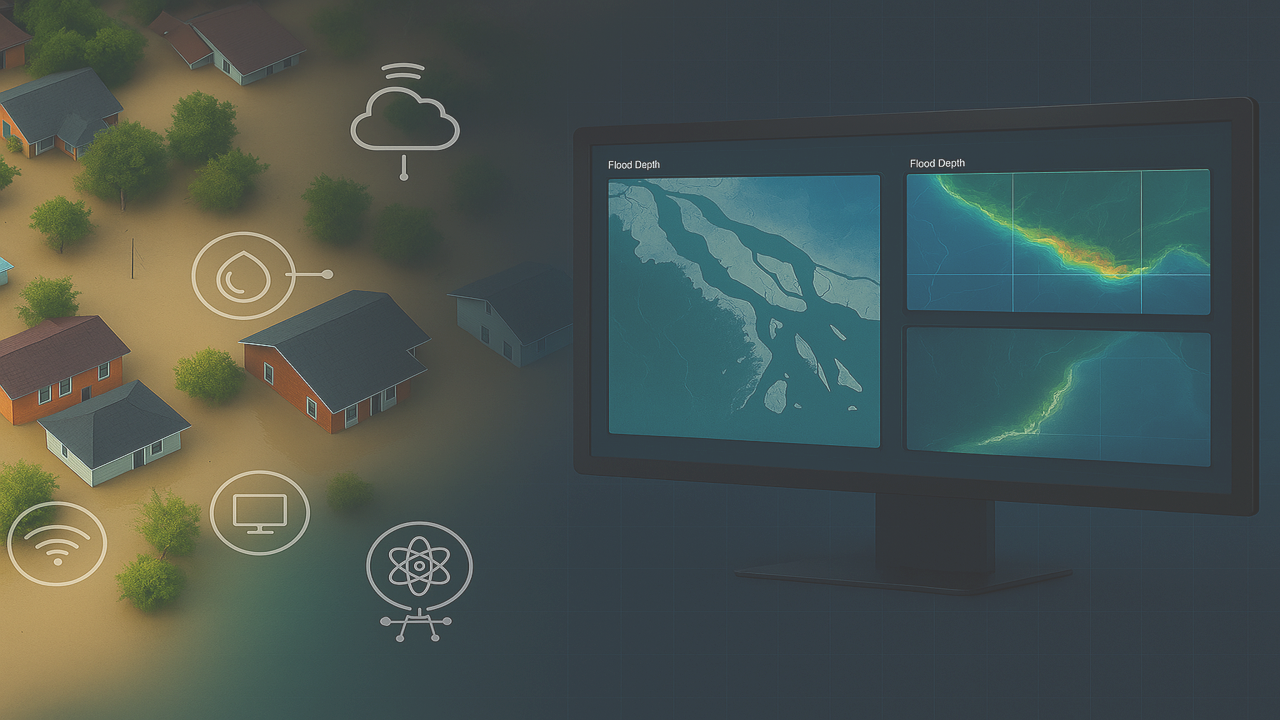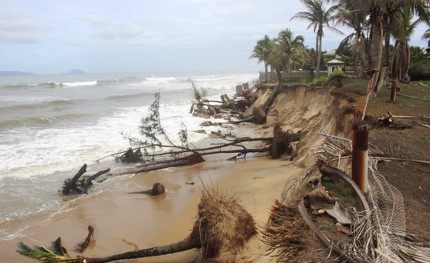
We are seeking a motivated and technically skilled Research Assistant to support the project “AI-Enabled Digital Twin for Coastal Erosion Management in Central Vietnam.” This interdisciplinary project combines Remote Sensing, Artificial Intelligence (AI), and Digital Twin technologies to develop proactive solutions for coastal erosion monitoring and prediction.
The role involves processing remote sensing data, developing deep learning models for shoreline prediction, and assisting in the creation of a Digital Twin platform to simulate adaptation strategies.
Key Responsibilities:
-
Data Collection & Processing: Acquire and pre-process high-resolution remote sensing imagery (satellite/radar) and socio-economic datasets for integration into AI workflows.
-
AI Model Development: Assist in developing and enhancing deep learning architectures for automated shoreline detection and extraction.
-
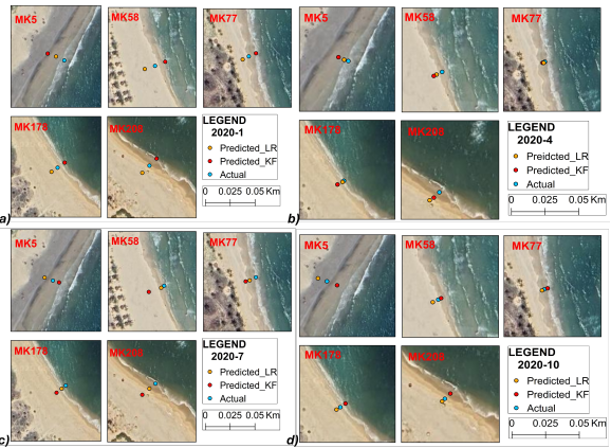
Predictive Modeling: Apply advanced deep learning techniques to predict future shoreline changes and erosion trends.
-
Digital Twin Construction: Support the design and development of a Digital Twin platform to visualize coastline dynamics and simulate the effectiveness of adaptation measures (e.g., mangrove restoration, beach nourishment).
-
Validation & Fieldwork: Validate model performance using historical datasets and field observations to ensure accuracy.
-
Research Dissemination: Analyze results, prepare technical reports, and contribute to scholarly articles for peer-reviewed journals and conferences.
Qualifications and Skills:
Required Qualifications:
-
Bachelor’s degree in Computer Science, Civil/Coastal Engineering, Environmental Science, Geomatics, or a related field.
-
Strong programming skills in Python (specifically for data analysis and AI/Machine Learning frameworks such as TensorFlow or PyTorch).
-
Experience or strong interest in Computer Vision, Image Processing, or Deep Learning.
Preferred Qualifications:
-
Experience with Remote Sensing and GIS tools (e.g., Google Earth Engine, ArcGIS, QGIS, UAV image processing).
-
Knowledge of Digital Twin concepts or web-based visualization platforms.
-
Familiarity with coastal dynamics or environmental modeling is a plus.
-
Strong technical writing skills for academic publications.